Skip to content
SN
Pre-Med · Bioethics · Neurosurgery

Sajed H. Nehme

Bioethics Researcher

Bioethics researcher at Michigan Medicine and the U-M College of Pharmacy. Former neurosurgery researcher at the Hara Lab. Incoming at Mayo Clinic's Biomedical Ethics Research Program, summer 2026.

Now
Michigan Medicine · U-M Pharmacy
Summer 2026
Mayo Clinic · Sharp Lab
Studying
Philosophy & Pre-Med · Honors
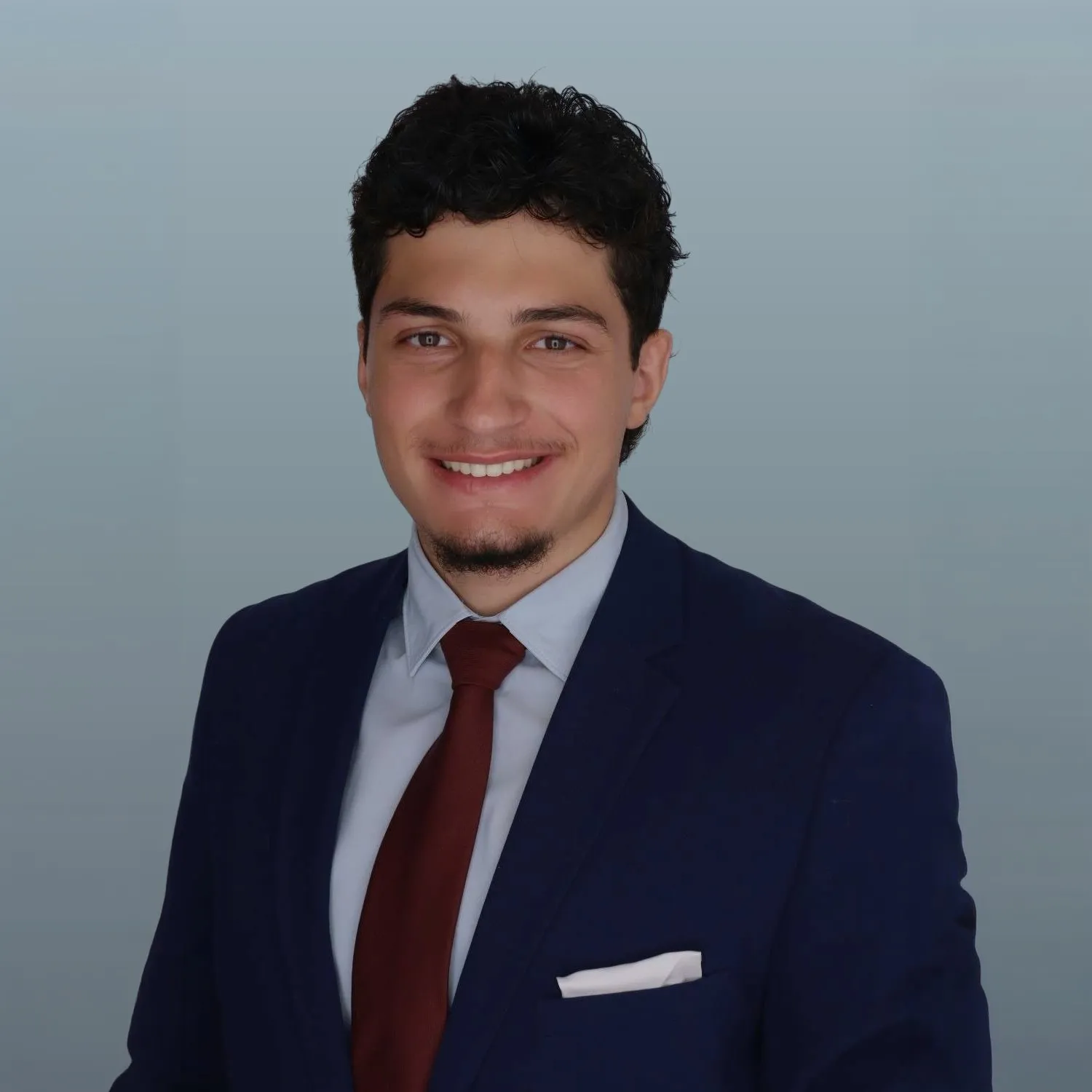
Sajed H. Nehme, bioethics researcher at Michigan Medicine
Ann Arbor, MI
Sajed H. Nehme
About

Sajed H. Nehme

Ann Arbor, Michigan

Bioethics researcher and pre-medical scholar investigating AI in healthcare, deprescribing, allocation of scarce resources, and the ethics of de-identified patient data sharing.

Former neurosurgery researcher at the Hara Lab, studying macrophage–glioblastoma interactions in human co-culture models.

Long-term, I aim to build a career in complex neuro decision-making — where patient values guide clinical intervention.

University of Michigan· Honors College of LSAMichigan Medicine· Bioethics · IRB · Clinical EthicsMayo Clinic· Incoming, Summer 2026University of Michigan College of Pharmacy· Vordenberg LabBarcelona School for International Studies· Study Abroad, Philosophy
English (native)Arabic (native)Spanish (working)
Research

Current & recent work

Three labs across bioethics and translational neuroscience — spanning AI in clinical decision-making, institutional data-sharing policy, and glioblastoma tumor–immune models.

  1. Bioethics Ongoing

    AI in Healthcare & Older Adults

    Dr. Sarah Vordenberg
    U-M College of Pharmacy — Vordenberg Lab

    How do older adults understand, trust, and consent to AI-assisted decisions in their care?

    • Programmed an experimental survey with 2,800 older adult participants across the United States and Australia in Qualtrics.
    • Investigating health literacy, attitudes, and trust in AI in healthcare — translating themes into clinical guidance for communication, consent, and responsible AI-assisted decision-making.
    QualtricsSurvey designQualitative codingThematic analysis
  2. Bioethics Ongoing

    Academic Medical Centers & De-identified Data

    Kayte Spector-Bagdady, JD, MBe
    Michigan Medicine — Spector-Bagdady Lab

    How do academic medical centers justify sharing de-identified patient data with industry — and where does patient trust fit?

    • Coded and analyzed qualitative data from 37+ academic medical centers regarding incentives to disclose de-identified patient data with industry partners.
    • Built a thematic framework linking institutional rationales — stewardship, innovation, reputational risk — to disclosure behavior.
    • Formulated a taxonomy of incentives and identified recurring transparency gaps where "de-identified" substitutes for meaningful patient permission.
    Qualitative codingThematic analysisManuscript draftingTaxonomy building
  3. Neurosurgery 2023 – 2024

    Glioblastoma Tumor–Immune Interactions

    Dr. Toshiro Hara
    Michigan Medicine — Hara Lab (former)

    Engineering a universal genetic perturbation strategy to study macrophage–glioblastoma interactions in human co-culture models.

    • Devised Neon electroporation protocols to optimize monocyte transfection for single-cell sequencing and co-culture studies.
    • Conducted plasmid transfections in differentiated and regular macrophages, comparing behavior in glioblastoma-conditioned media within a novel in vitro microenvironment.
    • Presented findings at the national Society for Neuroscience meeting and won the Michigan Chapter SfN Undergraduate Outstanding Poster Award.
    Neon electroporationPlasmid transfectionFlow cytometryFluorescence microscopyCo-culture modelsTumor-conditioned media
Publication

Peer-reviewed

Published 2026

Bioethics Pandemic Ethics Peer-Reviewed

Fair Allocation of Scarce Resources in a Pandemic: Benefit, Reciprocity, Equality, and the Limits of Brudney’s "Principle"

Mudd Undergraduate Journal of Ethics, Washington and Lee University · 2026

A peer-reviewed examination of ethical frameworks for allocating scarce medical resources during future pandemics under resource-limited conditions. The manuscript interrogates benefit, reciprocity, and equality as competing distributive principles — and maps the limits of Brudney's principle as a decision tool in public health emergencies.

Experience

Experience

  • Research · 6
  • Clinical · 5
  • Leadership · 4
  • Education · 2

Tap any stop to read the full description. Arrow keys navigate between roles.

Recognition

Conferences & awards

  • Undergraduate Student Outstanding Poster Award · Michigan Chapter Society for Neuroscience, 2024
  • Distinguished National Honorary Member · Nu Rho Psi, 2024
  • NAEMT Foundation Scholarship · National Association of Emergency Medical Technicians, 2025
  • Elizabeth Benson Wright Scholarship · University of Michigan, 2024
Leadership

Leadership & community

  1. President

    Building a home for Arab students on campus

    Omega Beta Eta Arab Fraternity, Inc.

    Directed recruitment, philanthropy, and educational programming — creating a cultural home and a fundraising engine for community need.

    • $5,000+ to Arab charities
    • Medical supplies overseas
    • 1 yr 9 mo leading
  2. Performer & Choreographer

    Choreographing Arab cultural expression

    Arab Xpressions · Arabesque

    Led rehearsals across a 30-member coed team and two 8-member all-guys teams, delivering a high-impact cultural showcase on campus.

    • 1,600+ attendees
    • Featured in The Michigan Daily
    • 3 seasons
  3. Event-Planning & Fundraising

    Feeding families and supplying care overseas

    Eternal Light Org

    Organized drives distributing food, clothing, and hygiene to Ann Arbor and Dearborn families; raised funds for Lebanese Red Cross shipments.

    • 300+ served
    • $8,500+ raised
    • Lebanese Red Cross
  4. Peer Mentor

    Mentoring the next pre-med cohort

    Health Sciences Scholars Program

    Mentored 10 pre-health students and organized HSSP’s inaugural Research Symposium, giving members their first poster experience.

    • 10 mentees
    • 79 symposium attendees
    • 12 presenters
Contact

Get in touch

Open to collaborations across bioethics, translational neuroscience, and clinical decision-making. Based in Ann Arbor; reachable by email.